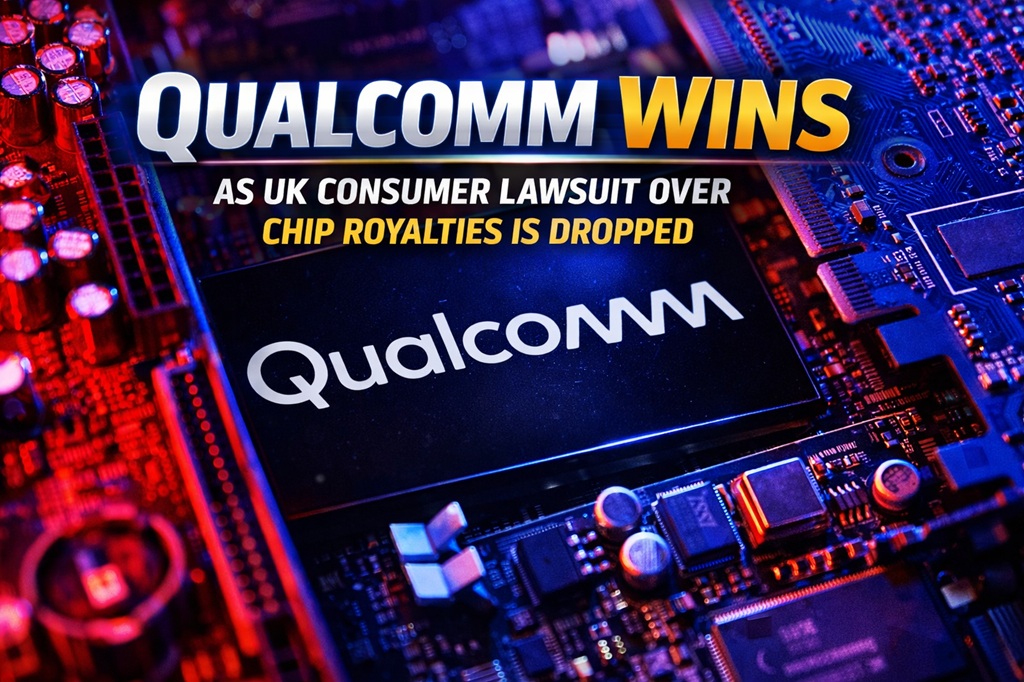
LONDON — A major consumer lawsuit accusing semiconductor giant Qualcomm of abusing its market dominance has been withdrawn in the United Kingdom, marking a significant legal victory for the US-based chipmaker.
The case was initiated by British consumer advocacy group Which?, representing approximately 29 million customers who purchased iPhones or Samsung smartphones since 2015. The group had argued that Qualcomm forced manufacturers to pay excessive royalties through its global “no licence, no chips” policy — a practice that allegedly inflated the retail prices of mobile devices.
Consumers were reportedly seeking compensation of up to £480 million (about US$652 million).
However, before the UK Competition Appeal Tribunal could deliver its judgment following last year’s trial, Which? confirmed it would apply to formally withdraw the claim after reaching an agreement with Qualcomm. Under the terms of the agreement, the chipmaker will not pay any compensation to the claimant group.
In its statement, Which? acknowledged that Qualcomm’s licensing framework did not breach competition law, did not result in inflated royalty charges, and ultimately did not drive up smartphone prices for consumers.
Qualcomm welcomed the development, saying the withdrawal reinforces longstanding court findings in the United States that its licensing model is lawful and does not undermine fair competition.
“This recognition, following a full trial on the merits, reaffirms what US courts have repeatedly held — Qualcomm’s licensing practices are legal and pro-competitive,” a company spokesperson said.
The outcome removes a potentially costly legal overhang for Qualcomm and underscores the continuing global scrutiny surrounding patent licensing practices in the highly competitive smartphone supply chain.